Filter by

History Smashers: Earth Day and the Environment
What really happened when the first Earth Day was celebrated in 1970? In this instalment of the History Smashers series, Kate Messner investigates common myths and misconceptions about Earth Day, environmental activism, and the history of environmental protection. The book reveals that efforts to protect the environment began long before the first Earth Day. Readers discover examples of Indi…
- Edition
- -
- ISBN/ISSN
- 9780593705308
- Collation
- 240 pages , illustrations : 19 cm
- Series Title
- -
- Call Number
- 363.7 MES h
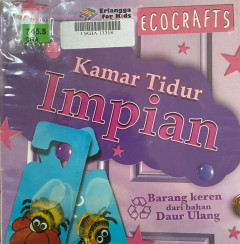
Kamar Tidur Impian
Ayo berkreasi dengan ide-ide inovatif untuk mengubah segala jenis barang rumah tanga--dari piring kertas sampai kotak CD--menjadi dekorasi kamar, wadah penyimpanan, dan bahkan furnitur, yang keren dan ramah lingkungan.
- Edition
- -
- ISBN/ISSN
- 9789790331181
- Collation
- 48 pages , illustrations : 22 cm
- Series Title
- -
- Call Number
- 745.5 CRA
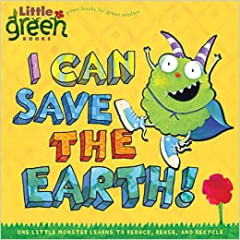
I can save the earth!
A new “green” series!: Little Green Books will educate children on what they can do to be more eco-friendly. The books in this line will be made from recycled materials, and the storylines will cover subjects such as improving the environment, learning about endangered animals, recycling, and much more. Meet Max the Little Monster. He is a cute, furry green monster who is an environmenta…
- Edition
- -
- ISBN/ISSN
- 9781416967897
- Collation
- 24 pages : illustration ; 20 cm
- Series Title
- Little green books
- Call Number
- 550 INC
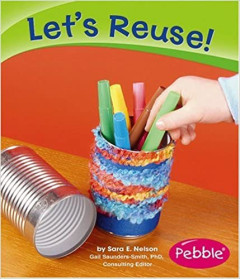
Let's reuse!
- Edition
- -
- ISBN/ISSN
- 9780736863254
- Collation
- 24 pages : illustration ; 18 cm
- Series Title
- Caring for the earth
- Call Number
- 363.7 NEL
- Edition
- -
- ISBN/ISSN
- 9780736863254
- Collation
- 24 pages : illustration ; 18 cm
- Series Title
- Caring for the earth
- Call Number
- 363.7 NEL
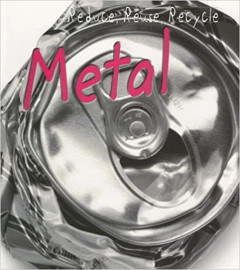
Metal
Read 'Metal' to discover where metal comes from, how it is made and used, and how metal waste affects the environment. Learn how metal can be reused and recycled, and how to reduce your own metal waste.
- Edition
- -
- ISBN/ISSN
- 9781403497178
- Collation
- 32 pages : illustration : 22 cm
- Series Title
- Reduce, Recycle, Reuse
- Call Number
- 363.7 FIX
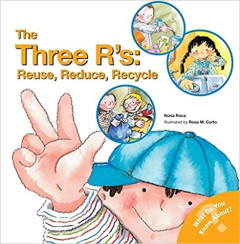
The three R's : reuse, reduce, recycle
Attractive color illustrations and easy-to-follow text combine to present factual information that younger boys and girls will readily absorb and understand. The Three R's: Reuse, Reduce, Recycle is one in a series of four entertaining What Do You Know About? books, for very young children. It describes the ways in which kids and their families can avoid waste and be environmentally conscious. …
- Edition
- -
- ISBN/ISSN
- 9780764135811
- Collation
- 35 pages : illustration ; 24 cm
- Series Title
- -
- Call Number
- 363.7 ROC
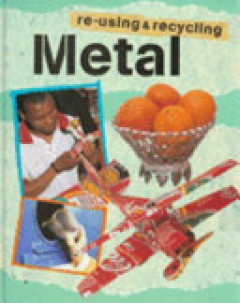
Metal
Offering an insight into the ways materials are re-used or recycled all around the world, this book provides a cross-curricular approach that links environmental issues with both science and geography. Panels suggest ways in which children can re-use and recycle materials themselves.
- Edition
- -
- ISBN/ISSN
- 9781583409374
- Collation
- 29 pages : illustration ; 27 cm
- Series Title
- Recycling & Reusing
- Call Number
- 363.7 THO
Plastics
Describes how plastics are made, used, and recycled. Try to identify how many things around you are made of plastic. If you look carefully, you'll discover that most everything has at least some plastic in it. In this book you'll discover why so much is made of plastic - chairs, desks, food wrappers, toys, and even clothes.
- Edition
- -
- ISBN/ISSN
- 1568470401
- Collation
- 32 pages : illustration : 25 cm
- Series Title
- Resources
- Call Number
- 620.1 JAC
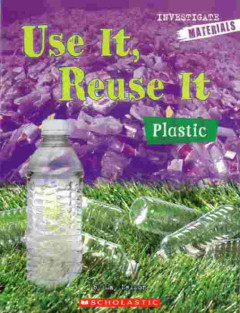
Use it, reuse it : plastic
Use it, then reuse it! Follow a plastic bottle on its journey to a new life. What will it become?
- Edition
- -
- ISBN/ISSN
- 9780545152280
- Collation
- 28 pages : illustration ; 21 cm
- Series Title
- Investigate materials
- Call Number
- 620.1 NEL
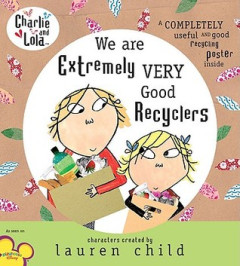
We are extremely very good recyclers
After Charlie convinces Lola to recycle her old toys instead of throwing them away, Lola discovers a recycling competition. If she can recycle one hundred plastic, metal, and paper items, she can get her very own real live tree to plant. But she only has two weeks, so Lola decides to ask her classmates to help. They turn out to be extremely very good recyclers indeed. This adventure is printed …
- Edition
- -
- ISBN/ISSN
- 9780803733350
- Collation
- 32 pages : illustration ; 27 cm
- Series Title
- Charlie and Lola
- Call Number
- CH
 Computer Science, Information & General Works
 Philosophy & Psychology
 Religion
 Social Sciences
 Language
 Pure Science
 Applied Sciences
 Art & Recreation
 Literature
 History & Geography