Filter by
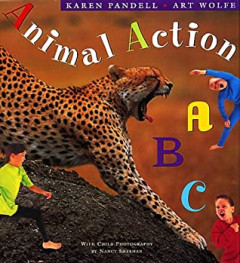
Animal action ABC
Howl like a wolf pup! March like a penguin! With this fetching and innovative alphabet book, children can imitate twenty-six different animals as they box, leap, and stretch their way from A to Z. Sparkling photographic montages pair human children and wild creatures in powerful, energetic poses, while easy-to-chant verses explain the behaviors shown in each picture. An action-rhyme book with a…
- Edition
- -
- ISBN/ISSN
- 0590684936
- Collation
- 40 pages : illustration ; 25 cm
- Series Title
- -
- Call Number
- 591 PAN
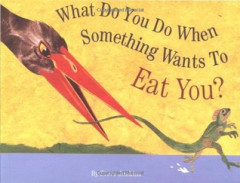
What do you do when something wants to eat you?
What would you do if something wanted to eat you? Walk on water? Stick out your tongue? Play dead? Animals in the wild use all kinds of methods to protect themselves from their enemies. Using dynamic and intricate cut-paper collages, Steve Jenkins explores the many fascinating and unique defense mechanisms creatures use to escape from danger.
- Edition
- -
- ISBN/ISSN
- 9780618152438
- Collation
- 32 pages : illustration ; 20 cm
- Series Title
- -
- Call Number
- 591.4 JEN
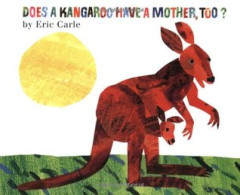
Does a kangaroo have a mother, too?
From Eric Carle, the New York Times bestselling author of The Very Hungry Caterpillar and The Grouchy Ladybug, comes a reassuring tale of a mother’s love for her child. Does a Kangaroo Have a Mother, Too? answers curious kids who wonder whether lions, bears, and monkeys have mothers, too. Bright collage illustrations and simple text reinforce the theme that everyone has a mother, and every…
- Edition
- -
- ISBN/ISSN
- 9780439271493
- Collation
- 26 pages : illustration ; 22 cm
- Series Title
- -
- Call Number
- 591.3 CAR
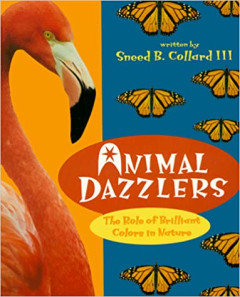
Animal dazzlers : the role of brilliant colors in nature
Why is a flamingo pink? Why is a hummingbird so flashy? Why does a chameleon change colors? Why do humans spend more money on clothes, make-up, and hairstyles than they do on food? Appearances are very important in the animal world. Bright coloring helps many animals scare enemies and attract mates. The next time you pick out clothes, think about what you have in common with other animal dazzlers.
- Edition
- -
- ISBN/ISSN
- 9780531159187
- Collation
- 63 pages : illustration ; 22 cm
- Series Title
- -
- Call Number
- 591.4 COL
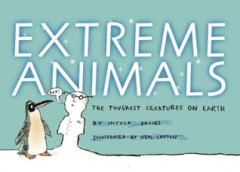
Extreme animals : the toughest creatures on Earth
The creators of POOP are back with an entertaining look at the most incredible survivors on Earth. Are you ready for the competition? From the persevering emperor penguins of the South Pole to the brave bacteria inside bubbling volcanoes, from the hardy reptiles of the driest deserts to the squash-proof creatures of the deepest seabeds, animals have adapted to survive in conditions that would …
- Edition
- -
- ISBN/ISSN
- 9780763641276
- Collation
- 61 pages : illustration ; 14 cm
- Series Title
- -
- Call Number
- 591.4 DAV
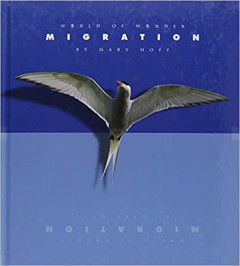
Migration
Discusses animal migration, including different animals that migrate, the routes they take and how they navigate, and the various reasons that they make the journey.
- Edition
- -
- ISBN/ISSN
- 1583412417
- Collation
- 32 pages : illustration ; 26 cm
- Series Title
- World Of Wonder
- Call Number
- 591.5 HOF

Land predators of North America
Introduces and identifies fourteen North American land predators, including bears, skunks, and weasels, and offers recommendations for tracking them. Each book describes how scientists classify living things and then explains -- in clear, simple language -- how the group of animals featured in the book fits into the larger picture. This Series meets National Curriculum Standard for: Science: Li…
- Edition
- -
- ISBN/ISSN
- 0531159450
- Collation
- 47 pages : illustration ; 23 cm
- Series Title
- -
- Call Number
- 591.5 SWA
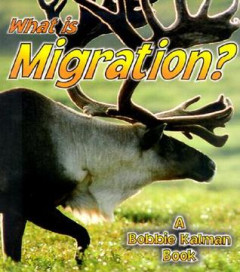
What is migration?
Many other animals of the world besides birds migrate for many different reasons. From whales to butterflies, this book explains to readers how animals, such as the salmon, the lemming, and the Canadian goose, follow paths that have been passed on for generations, helping their species survive. Full-color illustrations.
- Edition
- -
- ISBN/ISSN
- 0865059888
- Collation
- 32 pages : illustration ; 24 cm
- Series Title
- The Science of Living Things
- Call Number
- 591.5 CRO
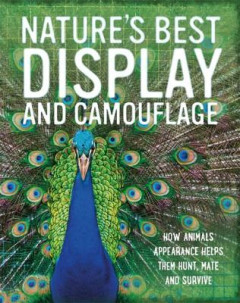
Nature's best display and camouflage : how animals' appearances help them hun…
Some animals have developed astounding plumage, skin and fur which perfectly meets their needs. From the pangolin, which is covered in 'plates of armour' to protect it from predators, to the leafy appearance of the weedy sea dragon, that allows it hide amongst the seaweed, the creatures featured in this book have developed appearances that are both unique and out-of-this-world. Find out more…
- Edition
- -
- ISBN/ISSN
- 9780750287999
- Collation
- 29 pages : illustration ; 27 cm
- Series Title
- -
- Call Number
- 591.5 JAC
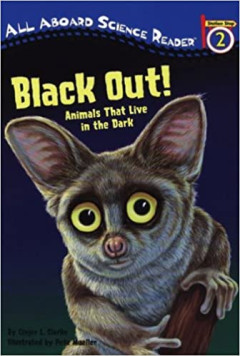
Black out! : animals that live in the dark
Did you know that the luna moth only flutters around at night--or that is has a wingspan as wide as a bowl of soup? This reader is packed with interesting facts about all the creepy animals that we never get to see during the daytime, like the barn owl, the blind cave fish, and the vampire squid.
- Edition
- -
- ISBN/ISSN
- 9780448448244
- Collation
- 48 pages : illustration ; 22 cm
- Series Title
- All aboard science reader : Level 2
- Call Number
- 591.5 CLA
 Computer Science, Information & General Works
  Philosophy & Psychology
  Religion
  Social Sciences
  Language
  Pure Science
  Applied Sciences
  Art & Recreation
  Literature
  History & Geography